
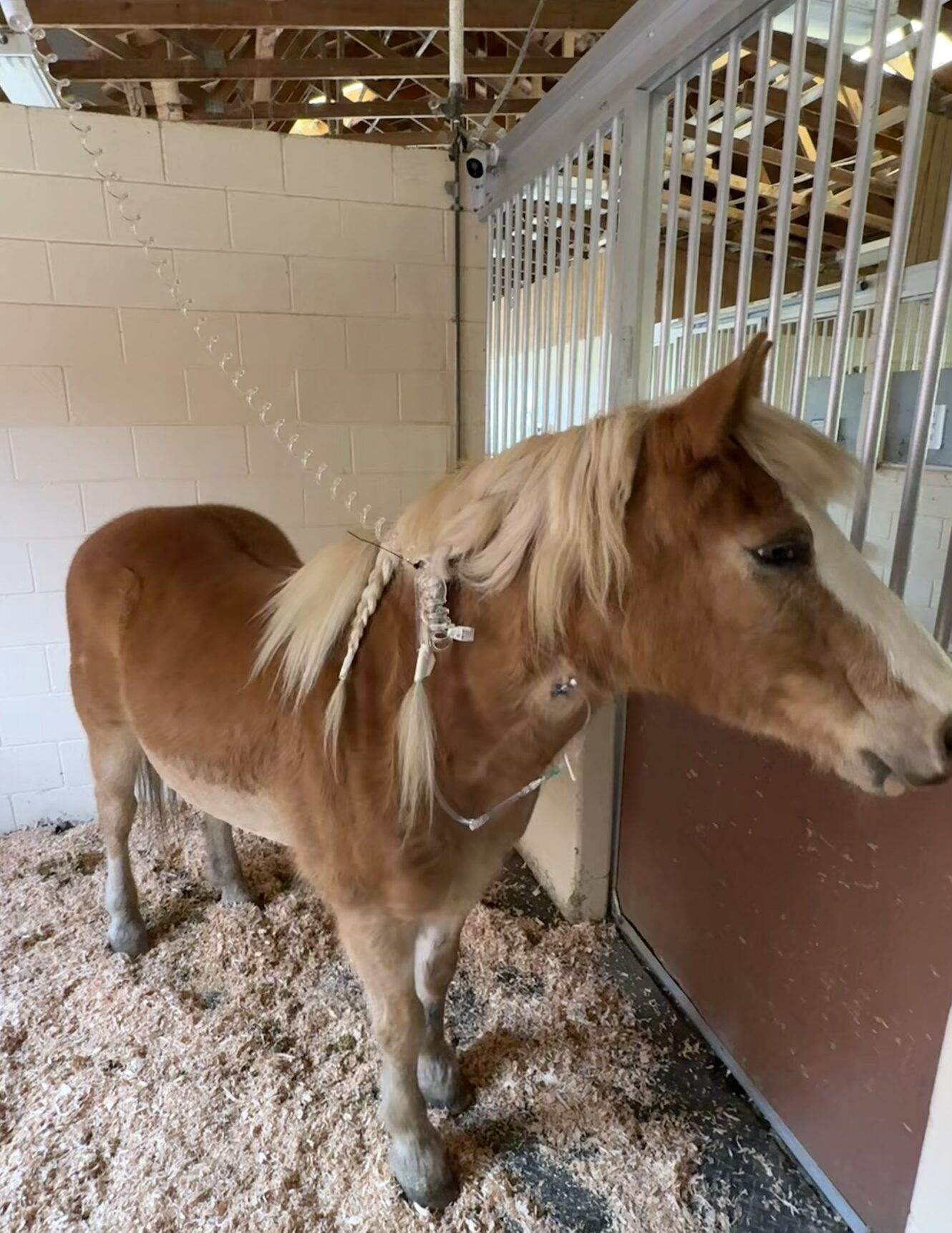
Horses and donkeys are remarkably resilient. We have witnessed this first hand with our incredible herd of elder equines. They have all been through a lot of life both during and before their time with us. Most of them came from traumatic pasts of neglect or abuse and have a history of injury, illness or other challenges. And of course, as all living beings do, they face more and more health complications as they get older. We are incredibly grateful and astounded at the way that they manage to continue to adapt and thrive when faced with all of this, especially when given the right tools and support to do so.
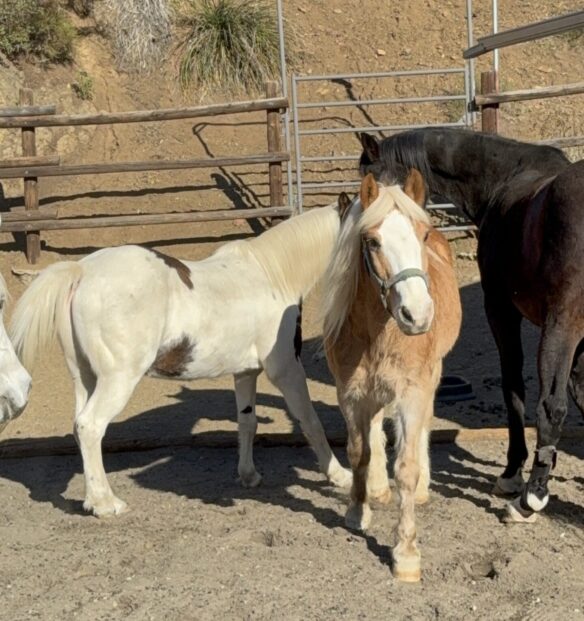
Those of you who have kept up with our herd and their stories over the many years they have been serving and supporting humans may have witnessed some of this first hand – Cooper’s two trips to the hospital last year, Thelma’s eyelid incident and chronic laminitis, Lady’s healing transformation from her former life as a discarded racehorse, and now Lucius’s current injury and major lifestyle transition from lead member of the herd to intensive healing on stall rest – to name just a few. We could go on and on about what each of our herd members has overcome. Their resilience is inspiring!
While the extra attentive support they receive from us as their caretakers has definitely played a major role in their well-being and longevity, there is also a natural resilient quality that they are born with.
Read on for some fascinating facts about the resilience of equines.
HORSES are able to withstand, adapt to, and recover from intense physical and environmental stress due to their natural instincts, physiological makeup, and strong herd bonds. They are capable of continuing to perform under extreme conditions, showcasing a unique capacity to adapt to human-imposed demands while maintaining mental and physical health through homeostasis.
Some aspects of resilience in horses include:
- Physical Adaptability – Horses can endure harsh, cold weather and, with proper care and nutrition, maintain their health and bodily functions.
- Mental and Emotional Strength – Horses are capable of overcoming trauma and adapting to new environments by relying on routines, structures, and trust in their handlers or herd leaders.
- Physiological Regulation – Horses use behavioral strategies, such as snorting or specific, calming behaviors like blowing out, to release stress and return to a stable state of homeostasis.
- Nutritional Impact – A properly balanced diet aids in maintaining the gut, providing the necessary nutrients for a horse to build and maintain its own, natural, resilient, and healthy, body.
DONKEYS are physically adapted for harsh, arid environments with tough coats for temperature regulation and the ability to thrive on minimal food and water. Renowned for their strength, endurance, and stoic nature, they serve as crucial working animals that support communities during disasters, droughts, and economic hardships.
Some Aspects of Donkey Resilience include:
- Physical Adaptations – Their long ears regulate body temperature, and they can survive in areas with little water, often being the last animals to survive during severe droughts.
- Dietary Resourcefulness – Donkeys can forage on, and thrive on, low-nutrient food like bramble and weeds.
- Behavioral Stoicism – As a survival mechanism, donkeys are stoic in behavior, especially in response to alarm or conflict. Rather than fleeing donkeys ground themselves, allowing time for careful assessment of the situation. This slow and steady behavior helps them survive in their native rugged hilly landscapes.
- Emotional Resilience – Donkeys are intelligent and cautious, which helps them assess situations effectively.
Horses and donkeys aren’t the only ones born with access to natural resilience. In fact, all living beings are coded with their own unique qualities that help them adapt and thrive. And just like the equines, proper choices and care can increase this resilience. Check out our Roadmap to Resilience for a list of steps you can take to tap into your resilient nature.
In what ways are you naturally resilient? Make your own list of qualities that you can tap into and rely on when faced with challenge.
 TOP
TOP