
“All that we are is the result of what we have thought. The mind is everything. What we think we become.” – Buddha

We are what we believe. Our beliefs about ourselves and about the world shape and color all of our experiences. The way we perceive things influences everything and what we perceive is always up for interpretation. Think about the way you might view a particular event in your life. Notice how your feelings and beliefs contribute to how you react to that event, how it makes you feel, whether you view it as “good” or “bad” and what you might choose to do next.
Our experiences aren’t just about the facts and sometimes even the facts are subject to interpretation. How we perceive our experiences, what we believe about a situation and what we believe about ourselves all contribute to how we experience something.
Some of your beliefs may be really clear and obvious, others you may not even realize you have and didn’t intentionally choose. However, whether intentional or not, all of our beliefs were chosen by us at some point; once we know what our beliefs are, we can choose to change them or to reinforce them.

Most of us carry around beliefs that don’t serve us. For instance, “I can’t”, “I’m a failure”, “I am weak”, “I’m not good enough”, “I will never…” or limiting beliefs about life in general “nothing ever works out for me”, “something’s bound to go wrong”, “the world is a cruel place”, “people don’t care”, “If I don’t do it, no one will”, “it’s not possible” – these beliefs keep us from achieving our full potential in life.
We always have the opportunity to create new beliefs – about ourselves, about what we are capable of, about others, about the world. It takes awareness and practice to work with our own belief systems and to get them to be the most aligned for our benefit.

Here are 6 steps that you can follow to use the power of belief to your benefit!
#1 – Identify your beliefs. Pay close attention to yourself throughout the day. Take note of the words you hear yourself saying often both out loud & in your head, the stories that you tell yourself. Take note of any patterns, anything you keep repeating. Become extremely mindful, watch yourself, question yourself. Try to see yourself from outside of yourself, as an observer, and notice your behaviors. This can be done while you’re doing regular activities or during meditation, self reflection or journaling your stream of consciousness. Take some notes on your observations. Questioning ourselves as we go about our day is also a great way to identify what our beliefs may be. What am I thinking? Why do I think this? What am I saying? Why do I say this? What do I believe? Could it be different? Knowing and understanding what you believe is first and foremost. This is your starting point.

#2 – Determine if a belief is helping or hurting. Once you start noticing ideas and beliefs you have about yourself and about the world, begin to investigate how they make you feel. Do they feel negative, limiting, hurtful or cruel? Do they make you feel good about yourself, energized, inspired, hopeful, safe or secure? Usually, it’s pretty easy to tell right away if a belief is helping or hurting, but sometimes it takes a little bit more investigation. Would you say this thing to someone if you want them to feel loved and supported? If the answer is no, it’s not a helping belief, and if isn’t helping, then it’s hurting.

#3 – Replace limiting beliefs. Once you’ve identified beliefs and thoughts that aren’t helping you, replace them with ones that do! A great way to find new, helpful and supportive beliefs is to open yourself to other possibilities and perspectives. How could things be different? What are the possibilities? Allow yourself to find the thoughts and ideas that feel the most uplifting, inspiring, loving and motivating. Another easy way to find great replacement thoughts is to take an unhelpful thought and find its opposite. Tap into that opposite energy. If you notice yourself saying “I’m lazy” often, consider the opposite “I am productive and energetic” or if you think “Nothing ever works out” flip it to “Things will work out.” Write down your old beliefs and then cross them out and write out your new replacement beliefs so that you can look back at them and have them ready to go.

#4 – Reinforce your beliefs. Now that you have new and improved beliefs to follow, you must take action to make them stick! The ideas you have now weren’t created in a day, it took time for you to start believing what you do and so it takes time to really solidify a new belief. Most of the things we believe now we believe because we’ve been told or told ourselves over and over again. To create a shift we must tell ourselves our new ideas, the thoughts and beliefs we’d like to have, over and over again.
Beliefs are FORMED, so you must intentionally work to form them. Any time your old belief or thought creeps back into your head or your mouth (which will probably be quite often!) immediately REPLACE it with the new one and don’t just remember the new thought, reinforce it. Repeat it a few times, out loud if possible, visualize it as true, connect with and imagine what it feels like for this new idea to be true for you. Get into it as much as possible. Write them down. Post them up where you can see them. Set an alarm to connect with them and say them outloud to yourself over and over again.The more you engage with these new thoughts and beliefs the more natural they will feel and the stronger they will become.
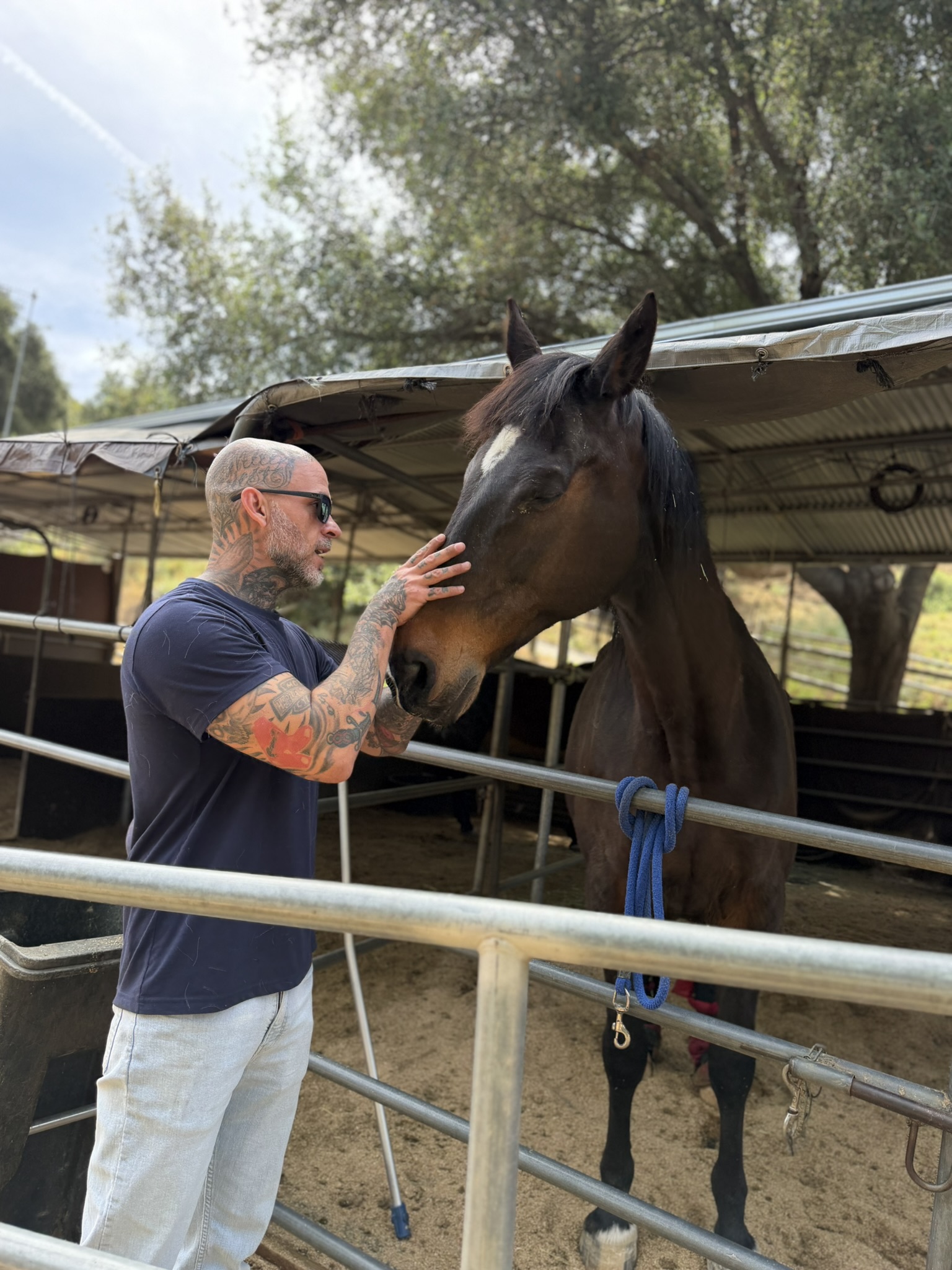
#5 – Believe in your Beliefs. It’s not enough to just SAY that you believe in something, you have to actually BELIEVE it! If you don’t actually believe your beliefs then they aren’t really beliefs and they don’t hold the same influence. Sometimes, when we are working to dismantle an old thought pattern that isn’t helping us and replace it with something that does – for example replacing “I am shy and scared in social situations” with “I can be courageous and I have confidence” – it might not feel true at first. When that’s the case then connect with a prior experience of courage, feel into courage and notice how your body feels when connected to courage.
Our subconscious minds believe the thoughts we think and the words we repeat over and over again. Thus, the same thing goes for believing a new positive idea about ourselves, even if it feels unfamiliar at first. If you continue to repeat the idea over and over in your minds and out loud, if you connect with it and the positive feelings it brings, imagining it to be true, your subconscious mind will begin to make it so. Those thoughts become more familiar and you will begin to see yourself this way, to see evidence of this new belief and, in fact, believe it. Have faith and trust in the power of your mind, it can do wonders.

#6 – Adjust as needed. Keep checking in with yourself about what you believe! This is an ongoing practice that you need to be participant of, not a “set it and forget it” magic trick. As you reinforce a new belief the more ingrained it will be in you and the easier it will come to you, eventually becoming automatic. We are continually changing, growing, and evolving which means our beliefs may need adjusting, too. If you are not paying attention, you may find yourself picking up new beliefs that aren’t helping you, or find that a belief that had been working for you no longer is and needs fine tuning. We must keep paying attention, being mindful of what we are telling ourselves, what we are thinking and what we are putting our energy into.
This is a life-long practice of knowing yourself and claiming your power to choose your thoughts, create your belief system, create your reality and get the results that you most desire. Keep at it!
 TOP
TOP